
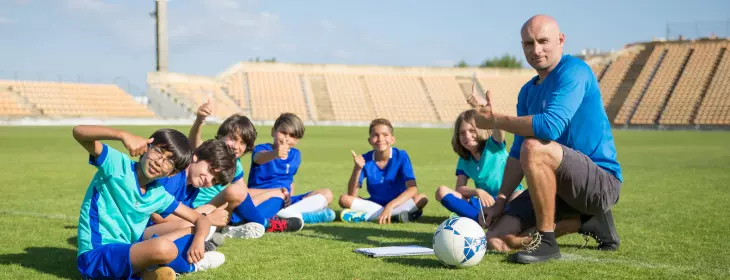
youth soccer season start San Antonio

Youth soccer is very popular in San Antonio. It is giving kids of all ages a chance to develop their skills, make friends, and stay active. Parents are also often excited to get their kids involved in the sport with a lively soccer community in the city. However, it’s important to know the season dates for effective planning.

As part of our San Antonio youth soccer club, we follow this guide. This guide offers an overview of the 2025 youth soccer season in San Antonio, including registration details, season timelines, and tips for parents to help ensure their child has a successful and enjoyable experience.

Overview of Youth Soccer Seasons in San Antonio

The youth soccer season in San Antonio is usually divided into three main parts: Spring, Summer, and Fall youth soccer in San Antonio. Each season offers different opportunities for kids of different ages and skill levels to participate in soccer.

·      Spring Season

The Spring youth soccer in San Antonio typically runs from late February to late April. This season is known for competitive play and often includes a mix of recreational and competitive leagues.

·      Summer Season

Summer is not a traditional season for soccer. However, it does offer various San Antonio soccer camps and clinics that keep players engaged and help them improve their skills. These programs are usually shorter and focus on skill development.

·      Fall Season

The fall season typically occurs from late August to late November. This season typically sees a high level of participation, as many players return after the summer break.

Youth Soccer Age Groups

In the US, youth soccer age groups are based on a child’s birth year. To determine which age group a player belongs to, simply subtract their birth year from the year the soccer season ends. For example, in the 2024-2025 soccer season, a child born in 2016 would be in the U9 age group.

It is because you would do the math like this:

(2025 minus 2016) = 9

Spring 2025 Youth Soccer Season

Registration for the Spring 2025 season typically starts in early January and closes by mid-February. Parents need to keep an eye on specific deadlines for different youth soccer leagues in San Antonio, as they can vary.

Season Start and End Dates

The Spring 2025 season is anticipated to commence in late March. Teams will have practices leading up to the first games, which usually start in late March. The season typically concludes by early June, with playoffs and championship games occurring in the final weeks.

Notable Leagues and Organizations Offering Spring (or Year-Round) Programs

Several leagues and organizations offer youth soccer programs in San Antonio, including:

  • Barcelona Premier Soccer Club (BPSC): Focuses on skill development and teamwork, providing programs for players of all levels. One of the top youth soccer clubs in San Antonio.
  • San Antonio Youth Soccer Association (SAYSA): A popular choice for recreational and competitive leagues for various age groups.
  • AYSO: It offers multiple youth soccer training programs, which include recreational and competitive leagues.

Summer 2025 Youth Soccer Opportunities

Summer 2025 is an excellent time for young soccer players to improve their skills through camps, clinics, and leagues. THis season soccer programs often focus on skill development, teamwork, and conditioning. Many local clubs and organizations host soccer camps which manage different age groups and skill levels.

  • Camps

These typically run from late June to early August and can last anywhere from one week to several weeks. Camps typically focus on specific skills, such as dribbling, passing, and shooting.

  • Clinics

These are shorter than camps. However, soccer clinics often offer specialized kids soccer training in San Antonio that focus on particular aspects of the game, such as goalkeeping or offensive strategies.

Key Youth Soccer Registration Dates

Registration for many programs usually starts in mid-May. Camps and clinics kick off in early July and go through mid-August. You’ll find specific details, such as times, dates, and locations, available in mid-May.

For example, NLSA Surf has a summer camp that begins on August 18th, and registration for that will open after the tryouts.

Benefits of Summer Participation.

Participating in summer soccer programs can provide numerous benefits, including:

  • Summer camps and clinics focus on improving technical skills in a fun and engaging environment.
  • Playing soccer during the summer helps keep kids active and maintain their fitness levels.
  • Summer programs offer children the chance to make new friends and connect with peers who share their interest in soccer.

Fall 2025 Youth Soccer Season

The Fall season is one of the most popular times for youth soccer in San Antonio, as many players return from summer breaks.

Registration Timelines.

Registration for youth soccer typically opens in the spring and summer, although schedules may vary depending on the location and league. Major organizations, such as US Youth Soccer and the National League, offer various programs and regional championships.

  • Many leagues offer discounts or other benefits for signing up early, which typically end around the start of summer.
  • Regular registration typically opens in the spring and summer, with deadlines that vary depending on the age group and league.
  • Some leagues may allow late registration, but this often comes with additional fees and limited availability of spots.

San Antonio Youth Soccer Schedule

Fall soccer seasons usually start in late August or early September. Many leagues, such as US Youth Soccer, host regional championships in June. The end dates for the season can vary by league. Some leagues finish in early November, while others continue into late November.

Major Leagues and Their Offerings.

  • US Youth Soccer offers various programs. These include national championships, regional championships, and club leagues.
  • The National League organizes both regional and national events, including regional championships and the National League Cup.
  • Additionally, local and state leagues typically offer a combination of recreational and competitive programs. For example, Barcelona Premier Soccer Club offers training programs and competitive leagues, emphasizing the development of skills and teamwork.

These leagues have different schedules and registration timelines. Therefore, it is essential to stay informed about the 2025 youth soccer registration in San Antonio. These options allow players to participate in soccer in various ways.

Choosing the Right Program for Your Child

Selecting the right soccer program for your child can be overwhelming, given the numerous options available. Here are some factors to consider:

Factors to Consider

  • Age

Different leagues cater to specific age groups. Therefore, it is crucial to find a program that aligns with your child’s age. For example, our Mini Cracks & Junior Cracks programs cater to kids as young as 4 years old, with structured sessions during both seasons.

  • Skill Level

Assess your child’s current skill level. Recreational leagues are great for beginners. However, competitive leagues may be better suited for more experienced players.

  • Location

Consider the distance to practices and games. Finding a program close to home can make logistics easier for busy families.

 Recreational Vs. Competitive Leagues

Recreational Leagues focus on fun, skill development, and sportsmanship. They are usually less competitive and are ideal for beginners.

On the other hand, competitive leagues often require tryouts and emphasize winning above all else. Players in competitive leagues typically have more experience and a greater commitment to the sport.

Tips for First-Time Soccer Parents

Here are some effective parent tips for youth soccer:

  • Don’t hesitate to reach out to coaches or league administrators if you have questions about the program.
  • Many leagues hold meetings for parents to discuss expectations, schedules, and other important information.
  • Encourage your child to practice and support their involvement in the team. Attend games and cheer them on!

Preparing for the Season

Preparing for the soccer season involves more than just completing registration. Parents should ensure their child is ready to play.

Necessary Equipment and Gear

Make sure your child has the following essential gear before the season starts:

  • Soccer Cleats
  • Shin Guards
  • Soccer Ball
  • Practice Gear, including moisture-wicking shirts and shorts.

Health and Safety Considerations

  • It is impotant that your child is physically fit to participate in soccer. A visit to the pediatrician may be wise if your child has any health concerns.
  • Encourage your child to stay hydrated. It is especially true during the hot summer months.
  • It’s a good idea to have a basic first aid kit readily available during practices and games.

Setting Expectations and Goals.

You should discuss your child’s goals for the season with them. Encourage them to focus on skill improvement, teamwork, and having fun. Remind your child that it’s okay to make mistakes and that learning is a natural part of the process.

Local Soccer Resources and Contacts

Here are the key youth soccer organizations in San Antonio:

Soccer Organization

Website Contact
Alamo Area Youth Soccer Association https://www.aaysa.org/ +1 877-229-7689
Barcelona Premier Soccer Club https://barcelonapremiersc.com/programs/ (210) 851-9869
San Antonio City Soccer Club https://www.sacitysc.com/ +1 210-880-5772
North East Youth Soccer Organization https://www.neyso.org/ 210-880-5772


As the youth soccer season in San Antonio approaches, parents need to be informed about key dates, registration details, and preparation tips. You can ensure your child has a positive and rewarding soccer experience. It is possible by understanding the structure of the seasons and actively participating in the process.

If you are looking for a great soccer program for your child, consider registering for the Barcelona Premier Soccer Club. We offer programs designed to foster skill development, teamwork, and a love for the game.

Barcelona Premier Soccer Club Programs Offering

BPSC offers a range of training programs available throughout the year, including special elite camps. Their main focus is on helping young players improve their skills using a unique approach based on the Tiki Taka method. This style of play emphasizes short passing and maintaining possession of the ball, which helps players improve their skills in the game.

FAQ Section

At what age should my child start to play soccer?

Children can start playing soccer as early as 3 to 4 years old. Many leagues offer programs specifically designed for this age group, focusing on fun and basic skills development.

How do I choose the right soccer league in San Antonio?

Consider factors such as your child’s age, skill level, and location. Recreational leagues are great for beginners, whereas competitive leagues are better suited for more experienced players. Research local leagues and ask for recommendations from other parents.

What equipment does my child need for the season?

Essential equipment includes soccer cleats, shin guards, a soccer ball, and comfortable athletic clothing. Make sure to check the league’s requirements for specific gear.

Are there any financial assistance programs for youth soccer?

Many leagues and clubs, including the Barcelona Premier Soccer Club, offer financial assistance programs to help families cover registration costs.
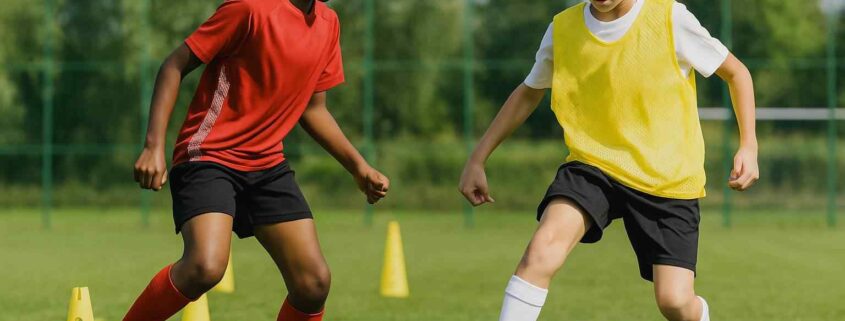

 

Top 10 Youth Soccer Drills to Boost Skills Fast

Soccer is more than just a game. It is a passion that teaches kids teamwork, discipline, and how to stay fit. Whether your child is just starting or has been playing for a while, doing the right youth soccer drills is crucial for improving their skills. The best beginner soccer drills can help your child improve their soccer skills, make the game more enjoyable, and boost their confidence on the field.

Let’s explore the top 10 best soccer drills for kids. These focus on key skills such as ball control, passing, shooting, and teamwork. These drills can help your child grow as a player and develop a love for the game with regular practice.

Why do Youth Soccer Drills Matter?

Youth soccer drills are crucial for developing the fundamental skills necessary to excel in the game. Here are some reasons why practicing these drills is important for young players:

  • Regularly doing drills helps kids improve their passing, dribbling, shooting, and ball control. These skills are the foundation of being a good soccer player.
  • Completing drills successfully boosts kids’ confidence and encourages them to take risks during games. It is important for their growth.
  • Many drills focus on working together. These are teaching kids how to cooperate and support their teammates.
  • Soccer drills keep kids active and help improve their overall fitness, making it a fun way to stay healthy.
  • Engaging in drills makes practice enjoyable. When kids find fun in their training, they are more likely to develop a lasting love for soccer.

Warm-Up Drills (Ages 4–17)

Here are some fun soccer drills for youth to know:

1.    Red Light, Green Light

This classic game is a fun way to get kids moving while teaching them to control their speed and direction. All players will dribble soccer balls in a designated area. When the coach yells “green light,” players should dribble fast. When they hear “red light,” they need to stop and place their foot on top of the ball. For “yellow light,” they should dribble slowly. It is great footwork training for soccer.

This drill promotes quick thinking and helps players develop their stopping and starting abilities, which are crucial in soccer.

2.    Toe Taps & Foundations

This drill helps players improve their touch and control of the ball while warming up.

Players stand with the ball in front of them. They alternate tapping the top of the ball with the soles of their feet (toe taps). Then, they touch the ball back and forth between their feet (foundations).

Encourage players to keep their heads up while doing this to enhance their awareness of the game. This drill not only warms up the players but also enhances their ball control and touch.

3.    Ball Control Drills

Soccer ball control drills teach a fundamental skill in soccer. This drill helps players develop their touch and handling skills.

To practice this drill:

  • Set up cones in a straight line, spaced about 2 feet apart.
  • Players dribble the ball through the cones using small touches.
  • Focus on keeping the ball close and using both feet.

This drill emphasizes control and precision, which are essential for success in matches.

4.    Dribble Relay

This drill is a fun way to practice dribbling while encouraging teamwork. For this:

  • Divide players into teams and set up a relay course with cones.
  • Players take turns dribbling the ball to the end of the course and back.
  • The next player can only go once the previous player has returned.

This relay drill fosters competition and helps players practice dribbling under pressure.

5.    Cone Weaving Challenge

These agility drills for kids help in improving agility and dribbling skills. You can set up a line of cones spaced about 2 feet apart. Players dribble the ball through the cones, weaving in and out. After that, encourage your players to use both feet and maintain control of the ball.

The cone weaving challenge enhances players’ coordination and ability to move through defenders.

Passing & Shooting Drills

After your player has completed the soccer warm-up exercises, you can move to passing and shooting drills:

6.    Partner Passing

For partner passing, players form two lines facing each other. They take turns passing the ball back and forth, using both their right and left feet. Each player will complete a set number of passes before switching roles. This exercise helps improve passing skills and teamwork.

This drill also helps players develop precision in their passing, a crucial skill for maintaining possession during games.

7.    Target Practice

This drill is great for improving shooting accuracy. To set it up, place targets, such as cones or small goals, within the penalty area. Players will take turns shooting at these targets from different angles. Keep track of how many targets each player hits to create some friendly competition.

This target practice not only sharpens shooting skills but also teaches players to aim for specific spots in the goal.

8.    Shooting Accuracy Grid

It is another drill designed to improve shooting accuracy. This exercise focuses on shooting while incorporating movement. To play, create a grid using cones that represent different shooting zones. Players will dribble into one of these zones and attempt to shoot at a goal or target. Encourage them to think about where to shoot based on the goalkeeper’s position.

This drill simulates real game situations, which helps players make quicker decisions and improve their shooting under pressure.

Teamwork & Game Simulation Drills

Here are some drills that teach teamwork soccer activities:

9.    3v3 Mini Games

In this drill, play a 3 vs. 3 soccer game without goalkeepers. Have a third team on the sidelines waiting to join. It gives the players on the field a chance to rest and recover. You can switch to the third team after a goal is scored or every three minutes, whichever happens first.

Set up a playing area that is 25 yards by 15 yards, using cones and small goals. The smaller space keeps the action moving and allows for plenty of shots on goal. This drill encourages fast-paced play and helps players improve their skills.

10. Possession Keep-Away

This drill focuses on improving ball control and teamwork. To practice, divide the players into two teams. One team will attempt to keep possession of the ball, while the other team tries to win it back. Use a small playing area to encourage quick passing and movement.

Set a time limit for how long the possession team is allowed to retain possession of the ball. This keep-away drill helps players learn to move the ball quickly and effectively while working together as a team.

11.Final Goal Challenge

This drill simulates real game situations and enhances decision-making skills. To set this up, create a small goal and have players take turns trying to score after receiving a pass. Encourage them to think about where to shoot based on the goalkeeper’s position. You can also vary the distance and angle of the shot to make it more challenging.

The Final Goal Challenge enables players to practice shooting in realistic scenarios, thereby enhancing their ability to convert opportunities during games.

Tips for Parents in San Antonio

Your involvement in soccer training for kids can have a significant impact on your child’s soccer experience. Here are some tips to support their growth:

  • Set aside time each week for your child to practice these soccer drills at home, either alone or with friends.
  • Show your support by attending their games and practices. Your presence can boost their confidence and reinforce their commitment to the sport.
  • Encourage your child to have fun and enjoy the game, regardless of the outcome. Remind them that improvement takes time and dedication.
  • Look for soccer camps in the San Antonio area to supplement their training. Local clubs often offer excellent coaching and provide opportunities for competitive play.
  • Help your child set goals for their soccer development and regularly discuss their progress. Being involved in their journey will enhance their commitment and motivation.

What are the Next Steps?

Youth soccer drills are an excellent way for kids to develop essential skills while having fun. Incorporating these drills into their practice routine will help them become more confident players on the field. As they improve, consider enrolling them in a local soccer program to further develop their skills.

If you’re looking for a fantastic soccer experience for your child, consider joining the Barcelona Premier Soccer Club. We offer training programs tailored for all ages and skill levels, providing a supportive environment where young athletes can thrive and grow.

FAQs

At what age should kids start soccer drills?

Kids can start soccer drills as young as 4 years old. At this age, focus on having fun and developing basic skills to foster a love for the game.

How often should youth soccer players practice?

Ideally, youth soccer players should practice 2-3 times a week. Regular practice helps reinforce skills and improve overall performance.

Can I do these drills at home?

Most of these drills can be done at home or in your backyard with minimal equipment. Just make sure to create a safe space for practice.

Are there youth soccer classes near San Antonio?

Yes, San Antonio offers a variety of youth soccer programs, including camps, clinics, and leagues. Check with local sports facilities or the Barcelona Premier Soccer Club for more information on classes available in your area.

Top Finishing and Crossing Drills for Youth Soccer

Young soccer players require finishing and crossing abilities to improve their offensive gameplay. Placing balls precisely across can start scoring chances, and delivering them strongly will convert chances into targets. Players who can effectively put the ball into the goal and help teammates score achieve better match results.

Youth players enhance their skills and make smarter choices on the field when they practice their passing skills and goal-scoring methods. Regular training helps players memorize best practices, which they can reproduce in high-pressure situations. Young athletes who can precisely deliver crosses from wings and put the ball past the goalkeeper into the net get a significant competitive advantage.

This post explains the basic steps for teaching youth players to score and cross the ball by showing them how to shoot accurately and master their skills. Children in soccer can work with their teams and parents to access these training methods and improve their performance.

Top Soccer Finishing Drills for Youth Players

Soccer players must finish well to effectively turn their scoring opportunities into actual goals. Young soccer players must learn to shoot accurately with good control and trust in the scoring position. By practicing specific training exercises in this area, young players will improve their ability to score and make smart shooting choices. Practice drills teach players better goal-scoring decisions that boost their chances of scoring.

Understanding Finishing in Soccer

After the ball passes your foot, it needs more than just a good swing to score. Soccer finishing requires both perfect aim and good game awareness. 

  • Young soccer players must practice multiple shooting methods, such as instant shots, kicking from any direction, and direct contact with their feet. 
  • Players who perform well in intense situations become exceptional strikers rather than ordinary players. 

Finishing is one of those soccer skills that develops muscle memory with practice. That is why real-life practice with the ball in training and match situations is crucial for every youth soccer player.

Accurate Shooting and Keeping Cool Under Pressure

The target shooting drill is the top exercise for developing exact goal-scoring abilities. Each player stands at diverse spots inside their team’s penalty area and then tries to score the target zones near the opponent’s net. The drill helps players locate better shooting spots while teaching them to avoid direct attacks toward the goalkeeper.

  • The 1v1 finishing drill efficiently teaches players ball control under stress. In simulated conditions, the striker faces the goalie to practice fast thinking and directed goal-scoring skills. 
  • Players develop a better ability to stay relaxed through this training method.

The volleyball and half-volley practice helps coaches and players build dependable strike skills. After receiving a high pass, players must strike it before the ball reaches the ground. This drill teaches players to coordinate their movements and gain confidence while scoring from crosses or rebounds.

Scoring Under Pressure

Youth players often find it difficult to score in vital moments of play. The fast-paced finishing drill lets multiple players have quick shooting attempts toward the goal. This exercise builds scenario skills that require forwards to make fast decisions during real-game events.

The first-time shooting practice includes accepting a pass and then shooting the ball without a touch before playing it. Regular practice of this drill helps players gain first-time shooting comfort, which they need during time-sensitive moments in matches.

  • Youth players will enhance their match scoring chances by performing these daily shooting drills. 
  • Youth players must practice finishing drills consistently to boost their shooting accuracy together with their control and enhance their ability to make good decisions under stressful situations.

Mastering volleys alongside first-time shots and one-on-one situations gives players more confidence to transform their scoring opportunities into actual goals. 

The acquired abilities lead players to make superior choices in intense match conditions, strengthening their personal performance and their team’s results and developing a complete offensive system.

Best Crossing Drills for Young Soccer Players

When teams attack from wide areas, the game of crossing lets them make scoring chances. Youth players learn to hit accurate passes toward the penalty area by improving their crossing method, pass timing, and decision-making abilities. The team will reach better game results when players learn effective crossing drills.

Fundamentals of crossing the ball in soccer

Offensive players at winger and full-back positions depend heavily on crossing opportunities. Placing the ball properly across can open chances for forwards and midfielders to finish close to the goal. Players can handle various game moments when they know how to deliver low-driven crosses, lofted crosses, and cutbacks.

Drills to Improve Crossing Accuracy and Delivery

Enhancing crossing skill training includes focusing on the target crossing drill, where players make precise ball deliveries into defined areas within the penalty space. Young players become better at crossing when they direct their shots to positions where teammates can score rather than depending on the raw force.

  • During this drill, two players work together, and one crosses the ball from the wing area while the other tries to finish the play. 
  • This exercise makes both participants better at when to deliver and receive the ball. As training continues, more defensive players join the practice to create game-like simulations.

To build better execution of crosses, coaches should implement stationery and movement cross-training drills. Each training stage begins with crosses delivered from a fixed position before advancing to running crosses. Players learn to keep their technique precise while running fast in the attacking area.

Crossing Under Pressure

Players need to remain calm while performing crosses during game scenarios. The resistance drill adds a defender who guards the crosser, pushes them to find space, and makes precise passes when defenders challenge them. This training practice demonstrates on-field situations to develop smart choices during tough moments.

The early and late crossing drill shows players when to cross during the game. When poised deep in the field, players should cross the ball earlier for better results than waiting to reach the touchline. Young players improve their knowledge of effective ball delivery when they try multiple crossing positions and change when to pass.

Youth players need crossing drills to enhance their skill of accurate penalty area passes and scoring opportunities generation. Players can enhance their accuracy with practice through three key passing techniques, including lofted cross-motions, low-driven balls, and cutbacks.

The ability to time and position themselves on the field enables players to provide effective support to teammates, which boosts their goal-scoring opportunities and improves team-wide offensive coherence. 

Essential Soccer Training Exercises for Youth Teams

Youth teams should blend regular training activities that improve ball handling, passing, and team movement toward the opposition’s goal. 

These offensive practice routines help players develop better skills while learning to work in motion and with tactical strategies as a team. Youth players need formal training exercises to establish basic attacking skills to benefit them during matches.

Combining Finishing and Crossing Drills

The same result becomes more realistic when finishing and crossing skills practice is extended into team training scenarios. We organize an attacking drill by having wingers cross the ball into the box with strikers and midfielders running at set moments to attack. The drill strengthens teamwork between all team positions through coordinated actions.

The small-sided finishing and crossing game helps players develop both abilities by showing their skills in confined spaces. 

The practice utilizes a small field space to help players perfect their crossing and shooting skills around the box. Team members can respond swiftly with accurate passes and move effectively among players to score goals.

Offensive players should receive training in all necessary attacking abilities.

Youth team members need training exercises that promote successful attacking plays. During the possession-to-attack drill, players graduate from holding onto the ball to delivering valuable crosses and shots at the right moment. Through this drill, players learn to determine when attacks begin and move fast in response.

Players learn to make direct, brief passes through passing and movement training before making the last pass into the box for a goal attempt. The drill teaches players to see scoring chances by practicing in real game scenarios.

Youth teams with these training routines will learn to attack better by combining crossing routines with forward movement and finishing accuracy. Mandatory training exercises throughout team sessions enable youth players to achieve powerful ball-handling skills, accurate passing techniques, and game comprehension abilities.

Players learn through these drills to enhance teamwork and decision-making velocity, along with moving beyond the ball effectively. A trained player combination emerges through their learning of pass execution and timing runs, which results in scoring opportunities enabling joint tactical action against defences before match time, thus strengthening team unity. 

Final Words

The basic offensive gameplay improvement for soccer players in development requires focusing on finishing and crossing abilities. Effective development of these skills needs daily practice, simulated match conditions, and pressure-sensitive accuracy and composure.

Drills that are carefully developed allow youth players to enhance both their goal-scoring abilities and their ability to generate scoring opportunities for their teammates. The drills presented in this guideline enable young players to acquire goal-front traits of self-assurance, precision, and situational understanding.

Through training combined with dedicated effort, these techniques will improve match results, creating the base for soccer success in the future.